
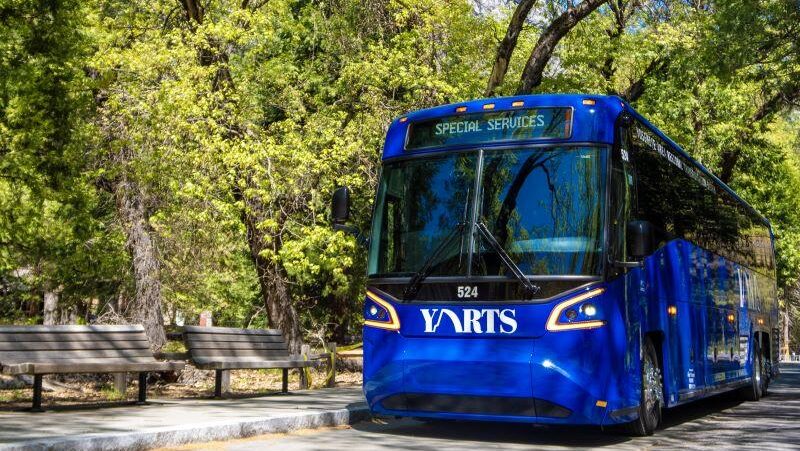
Outsmart the Traffic Into Yosemite – Regional Transit is a Win with YARTS
As another busy summer takes shape in Yosemite National Park, the familiar challenges are returning right along with it—long entrance lines, crowded parking lots, and heavy traffic stretching well beyond the park’s gates into surrounding mountain communities.
But there’s a solution that continues to grow in both relevance and availability—and this year, it may be more important than ever.
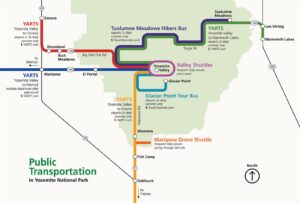
 The Yosemite Area Regional Transportation System (YARTS) has opened reservations for its expanded summer schedule, offering routes into Yosemite from communities all around the Sierra—including Oakhurst, Fresno, Sonora, Groveland, Mammoth Lakes, and Merced.
Service along Highway 140 operates year-round, while seasonal summer routes expand access along Highway 41 (serving Oakhurst and Madera County), Highway 120 (Tuolumne County), and Highway 395/120 East (Mono County).
That means whether you’re coming from the Central Valley, the foothills, or the Eastern Sierra, YARTS is designed to connect the entire region to Yosemite with a single, coordinated transit system.
A Car-Free Option When Traffic Will Be at Its Worst
This summer, the National Park Service has removed the vehicle reservation requirement for park entry—opening the door for more spontaneous visits, but also significantly increasing the likelihood of congestion, especially in Yosemite Valley.
YARTS offers a straightforward alternative: leave the car behind.
The system provides regularly scheduled, fixed-route transit directly into the park, allowing riders to bypass traffic bottlenecks, avoid parking shortages, and reduce the number of vehicles contributing to gridlock.
For mountain residents, that impact extends beyond the park itself. Fewer visitor vehicles on the road can mean less congestion on Highway 41, Highway 140, and other key corridors that locals rely on every day.
Built for the Whole Region—Locals and Visitors Alike
YARTS isn’t just a visitor service—it’s a regional transportation network built to serve everyone.
From Oakhurst and Coarsegold to Sonora and Mammoth Lakes, the system includes dozens of convenient stops at park-and-ride locations, hotels, transit centers, and even major connections like Amtrak and regional airports.
That connectivity allows travelers to reach Yosemite without ever getting behind the wheel. In fact, YARTS schedules are designed to link with train, airline, and bus services, making fully car-free travel to Yosemite a realistic option.
For locals, that also means flexibility—whether it’s a day trip into the Valley, hosting visiting family, or simply avoiding the stress of peak-season driving.
A More Comfortable Way to Experience Yosemite

Beyond convenience, YARTS changes the experience of getting to Yosemite altogether.
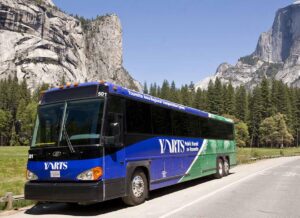
Instead of focusing on traffic and road conditions, passengers can take in the scenery—large windows, elevated seating, and a relaxed ride turn the journey into part of the adventure. Buses are equipped with onboard restrooms, ample storage for gear, and ADA-accessible seating, making them practical for families, hikers, and travelers of all ages.
Once inside the park, YARTS drops passengers in key locations like Yosemite Valley, where they can connect easily to the park’s free shuttle system to reach trailheads, lodging, and attractions.
Affordable and Family-Friendly
YARTS is also designed to be accessible from a cost standpoint.
Discounted fares are available for seniors, veterans, and passengers with disabilities, while children under five ride free. Kids ages 6 to 12 can also ride free when accompanied by a paying adult, making it an appealing option for families.
Tickets can be purchased one-way or round-trip, with advance reservations strongly recommended. Riders are encouraged to arrive at their stop about 15 minutes before departure, and reservations can be made online through the YARTS system.
A Long-Term Solution to a Growing Problem
YARTS was originally created with a clear goal: reduce traffic and improve access to Yosemite. Since launching in 2000, it has evolved into a multi-county partnership serving communities across the Sierra Nevada.
Today, that mission feels more relevant than ever.
With visitation continuing to climb and infrastructure inside the park largely fixed, solutions like regional transit are becoming essential—not just for convenience, but for sustainability.
Looking Ahead
For those of us who live in the mountain communities—and for the millions who come to visit each year—the question isn’t whether Yosemite will be busy this summer.
It’s how we choose to experience it.
YARTS offers a way to reduce stress, cut down on traffic, and protect the very landscapes that draw people here in the first place. Whether you’re a local heading into the Valley for the day or a visitor planning a once-in-a-lifetime trip, it’s an option that benefits everyone who calls—or enjoys—this region.