
Yosemite’s Bats Deserve a Better Reputation
Every October, bats find their way onto front porches, classroom windows and Halloween decorations. Usually, their assignment is simple: look spooky.
The real bats living in Yosemite have a much more interesting story.
With 17 species calling the park home, Yosemite offers a surprising variety of these flying mammals. Some have enormous ears. Others sport colorful fur or distinctive spots. And while most visitors spend their time looking at waterfalls, granite cliffs and giant trees, those same landscapes provide places for bats to feed and shelter.
Halloween seems like a good time to meet a few of the neighbors that are easy to overlook after sunset.
A Different Kind of Nightlife
Bats use echolocation to locate food, sending out calls and listening for echoes that help them detect insects. Most of those sounds are beyond human hearing, but Yosemite has exceptions: the spotted bat, western mastiff bat and Mexican free-tailed bat produce calls people can hear.
Their homes are equally varied. Bats shelter in rock crevices, caves, tree cavities and other protected spaces. Park research has documented at least six species using fire-scarred hollows in giant sequoias.
That enormous tree admired during a daytime walk may also provide shelter for much smaller residents. National Park Service
Big Ears, White Spots and Unexpected Hunting Habits
The spotted bat looks almost ready for a costume contest. Its dark body carries three conspicuous white spots, accompanied by large ears.
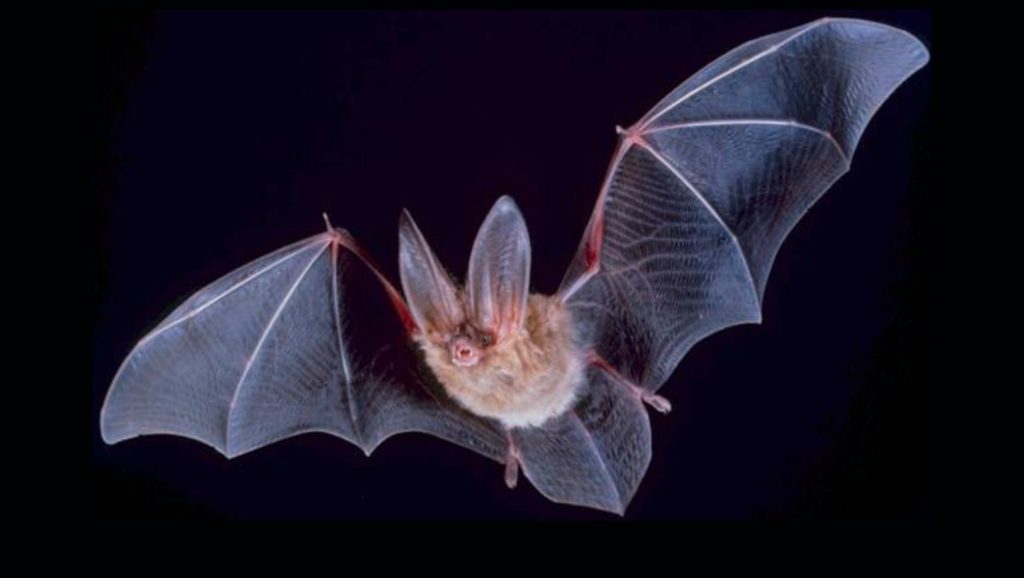
Townsend’s big-eared bats take the ear competition seriously, too. Their long, flexible ears curl back when they rest. These bats are sensitive to disturbance at their roosts, giving visitors another reason to leave resting wildlife alone.
Then there is the pallid bat. While many bats catch insects in flight, this pale-colored species often picks its meals from the ground.
The western mastiff bat brings size to the lineup, with a wingspan approaching two feet. It favors roosting locations with a vertical drop that allows it to launch into flight.
Together, these species offer a much richer picture than the identical black silhouettes hanging from Halloween decorations. Yosemite Conservancy
Appreciate Them From a Distance
Learning to appreciate bats also means giving them space.
Never pick up or handle a bat, including one that appears injured or dead. In Yosemite, report a grounded bat or unusual behavior to a park ranger.
If someone has direct or suspected contact with a bat, seek prompt guidance from a healthcare provider or local health department. Waking up with a bat in the room also warrants medical advice because contact may have occurred unnoticed. National Park Service safety guidance
Those precautions leave plenty of room for curiosity. Watching wildlife from a distance allows people to enjoy it while letting animals carry on with their lives.
This Halloween, the decorative bats can keep their place beside the ghosts and skeletons. But the real ones deserve a little appreciation, too.
Somewhere beyond the porch lights, a far more interesting version of the Halloween bat is going about its night.
———-
Feature Photo: A Townsend’s big-eared bat, one of the species found in Yosemite National Park.
Photo Credit: National Park Service.