Prescribed Burns Planned Across Mountain Communities Through Spring
The Bass Lake Ranger District plans to treat approximately 3,300 acres, with smoke possible near communities in Madera and Mariposa counties.
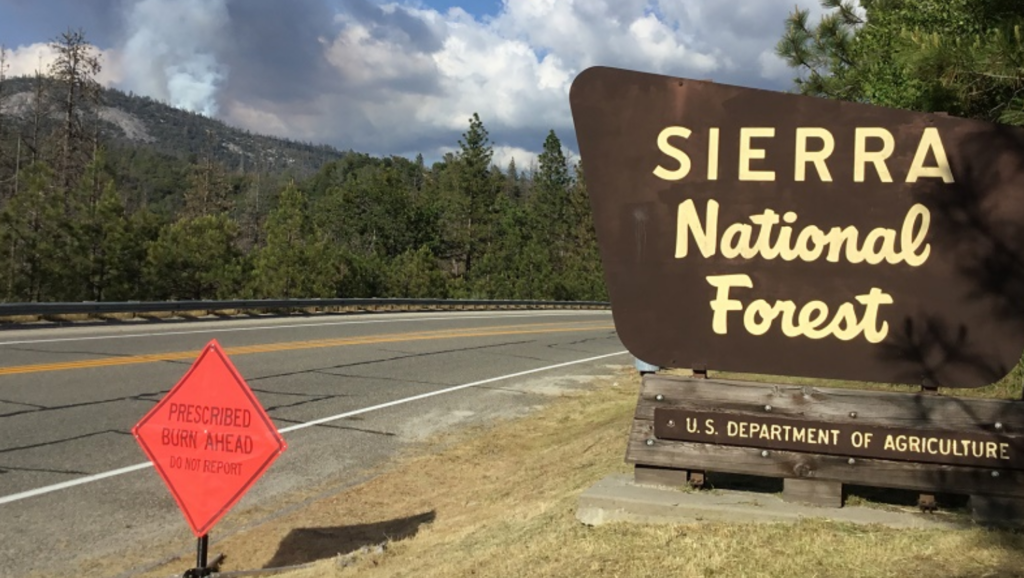
Mountain residents may notice smoke from planned Forest Service burns over the coming months as Sierra National Forest begins its fall, winter and spring prescribed-burning program.
Fire officials plan to treat approximately 3,300 acres throughout the Bass Lake Ranger District, with work scheduled between October and early May as weather and available resources allow, according to the Forest Service’s October 26 announcement.
Project areas span Madera and Mariposa counties. Some are near communities where homes and forest meet, including Jerseydale, Ponderosa Basin, Sugar Pine, Fish Camp, Cedar Valley, North Fork and Oakhurst.
The work is part of an ongoing effort to reduce vegetation that can fuel wildfires and maintain treated areas intended to slow fire as it approaches surrounding communities.
What Residents May Notice
Burning is planned during daytime conditions to help limit smoke-related visibility impacts near homes. Some work may take place on weekends.
The Forest Service says smoke could temporarily reduce air quality in North Fork, Ponderosa Basin, Jerseydale, Oakhurst, Fish Camp, Sugar Pine, Cedar Valley, Bass Lake, Ahwahnee and surrounding areas.
Signs will be posted along roads where burning is underway to alert motorists and protect crews working nearby. The agency also plans to coordinate with Caltrans and local law enforcement to help keep traffic moving along Highway 41.
The seasonal announcement does not mean all project areas will burn at once. Individual operations will depend on suitable conditions and the availability of personnel and equipment.
Why These Areas Need Treatment
The projects target accumulated vegetation associated with tree mortality, timber-harvest work, reforestation preparation and other forest fuel-treatment activities.
Removing some of that material can help reduce the amount available to burn during a wildfire. According to the Forest Service, treated areas can also provide safer places for firefighters to conduct suppression operations.
The agency points to the Railroad, Ferguson, Creek and Oak fires as examples of incidents where fuel-reduction work supported firefighting efforts.
Those treatments require maintenance. Vegetation grows back and additional material accumulates, making recurring work part of maintaining wildfire defenses. The Forest Service says the projects also support forest health, restoration and resilience.
Weather and Smoke Conditions Guide the Work
The Forest Service will coordinate burning with the air pollution control districts serving Mariposa County and the San Joaquin Valley, seeking weather conditions that allow smoke to disperse.
For residents, that means the broad October-through-May window is a planning period rather than a fixed calendar of burn dates.
Air-quality information is available at AirNow.gov and ValleyAir.org. Drivers can check Caltrans QuickMap for highway conditions before traveling through the area.
Prescribed Burns Are Separate From Backyard Burning
Residents should not interpret this announcement as permission to burn yard debris.
The Forest Service’s prescribed-fire program is separate from residential debris-burning rules. In its October 21 announcement, CAL FIRE’s Madera-Mariposa-Merced Unit reminded residents that residential debris burning remained suspended despite recent rain and cooler temperatures.
Property owners should check current restrictions with CAL FIRE and their local air district before considering a debris burn. Seeing smoke from an agency-managed project does not mean residential burning has been authorized.
For information about planned Forest Service burns, contact the Bass Lake Ranger District at 559-877-2218. The Forest Service also directs residents to the Sierra National Forest Facebook page for updates as the seasonal work proceeds.