
New State Laws Target Illegal Dumping and Abandoned RVs
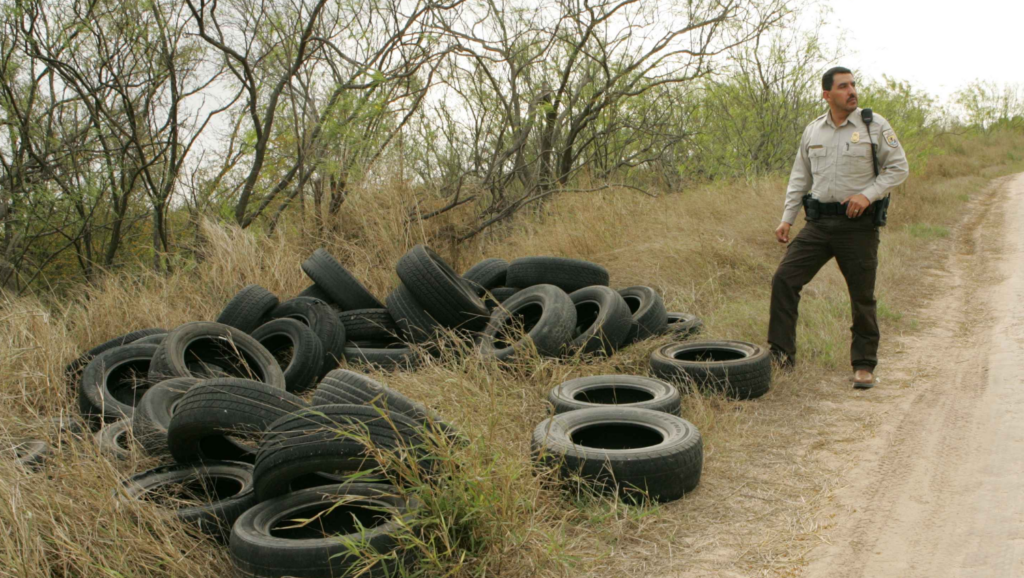
An old mattress beside a mountain road. Tires pushed down an embankment. An abandoned RV left for someone else to remove.
Cleaning up those messes takes more than a willingness to help. It can require equipment, transportation, disposal fees and hours of work—along with an investigation into who left the material behind.
Three California laws signed this fall address different parts of that problem, from supporting abandoned-RV removal to strengthening enforcement against illegal dumping. Taking effect January 1, 2027, the measures could provide additional tools for communities dealing with unwanted waste on roadsides, public land and private property.
A Problem With Local History
Illegal dumping is not a new concern in the mountain area.
In SNO’s 2015 coverage of local cleanup efforts, crews working with the Coarsegold Resource Conservation District removed an estimated 10 tons of waste from five sites. The locations included areas near Road 420, Goat Mountain, Old Central Camp Road and Miami Trails.
The material ranged from household trash to appliances, tires and pieces of vehicles. Some had to be hauled up hillsides before it could be transported for recycling or disposal.
That earlier effort illustrates the work involved after someone leaves a load behind. The newly signed laws address both cleanup support and the consequences for those responsible.
Support for Abandoned-RV Removal
Assembly Bill 1153, authored by Assemblymember Mia Bonta, allows CalRecycle to support local enforcement agencies through grants and existing programs for:
- Removing and disposing of abandoned recreational vehicles.
- Developing illegal-dumping enforcement strategies.
- Developing local enforcement teams and illegal-dumping enforcement officers.
The law directs CalRecycle to prioritize projects in designated disadvantaged communities.
There is a funding condition: the authority depends on money being appropriated by the Legislature. The law itself does not award a cleanup grant to Madera County or establish a free RV-removal service for residents.
It creates a way for state funding to support that work when money is made available. Read AB 1153.
Addressing Dumping Before the Load Is Left Behind
Assembly Bill 2310, authored by Assemblymember Juan Carrillo, expands the law to cover transporting waste or construction debris for the purpose of illegally dumping it.
That distinction matters. Carrying dirt, concrete or other construction material is not, by itself, evidence of illegal dumping. The law specifically says that having such material in a vehicle alone does not justify a stop, detention or arrest.
The measure also increases the maximum fine for a fourth or subsequent noncommercial violation to $5,000 and establishes stronger penalties for certain large-volume dumping offenses.
For qualifying commercial dumping cases, courts must require the responsible person to remove the material or pay for its removal. The law also addresses dumping on private property when required waste permits have not been obtained or the activity creates specified hazards.
For property owners and communities left with a cleanup bill, accountability includes what happens after the dumping stops. Read AB 2310.
Another Tool for Unresolved Violations
Senate Bill 1218, authored by Sen. Jesse Arreguín, allows authorized officers to immobilize a vehicle with a wheel boot under specified circumstances involving repeated, unresolved illegal-dumping violations.
The law applies when the registered owner has accumulated five or more qualifying delinquent dumping notices, or two or more qualifying commercial-dumping notices. It also covers specified failures to pay or appear in court.
This is not an automatic consequence of a single complaint. The law sets conditions for using the authority, recognizes active payment plans and provides a process for reviewing claims that a vehicle was immobilized in error. Read SB 1218.
Where Residents Can Turn
Residents looking for proper disposal options can contact Madera County’s Solid Waste Division at 559-675-7817. The county also lists the North Fork Transfer Station and local disposal providers among its solid-waste resources. Check accepted materials and fees before loading up and making a trip.
For nonemergency incidents requiring law enforcement, the Madera County Sheriff’s Office can be reached at 559-675-7770. Call 911 for an emergency. Sheriff’s reporting information.
The new laws approach the problem from several directions: helping support cleanup, addressing illegal hauling and giving enforcement agencies more options for unresolved violations. Their local impact will depend on funding and implementation—but the purpose is one mountain residents can readily recognize: keeping someone else’s discarded load from becoming the community’s lasting problem.