
By Sal Maccarone

Zoetrope
Artists have been experimenting with animation for thousands of years. During the first century, China’s Imperial Dynasty developed a contraption that created the illusion of motion through a rapid succession of pictures. Later on, the Victorian era “Zoetrope”, a revolving cylinder viewed from the outside, was a big hit in the 1890’s. And, of course, there are the simple “flip-books”, which are the foundation of drawn animation. All of these devices give the viewer a sensation of movement, but animation did not develop much further until the arrival of cinematography.
James Stuart Blackton is considered to be the father of animation in America. He was first introduced to filmmaking by Thomas Edison, the inventor of the movie camera. During the silent era, (1895 -1927), as the founder of Vitagraph Studios, Blackton used a technique known as “stop-motion”. One of his films, “The Enchanted Drawing”, feature a man drawing a cartoon face which appears to move on the easel. Because of that film, animation began to progress steadily while many individuals experimented with different techniques.
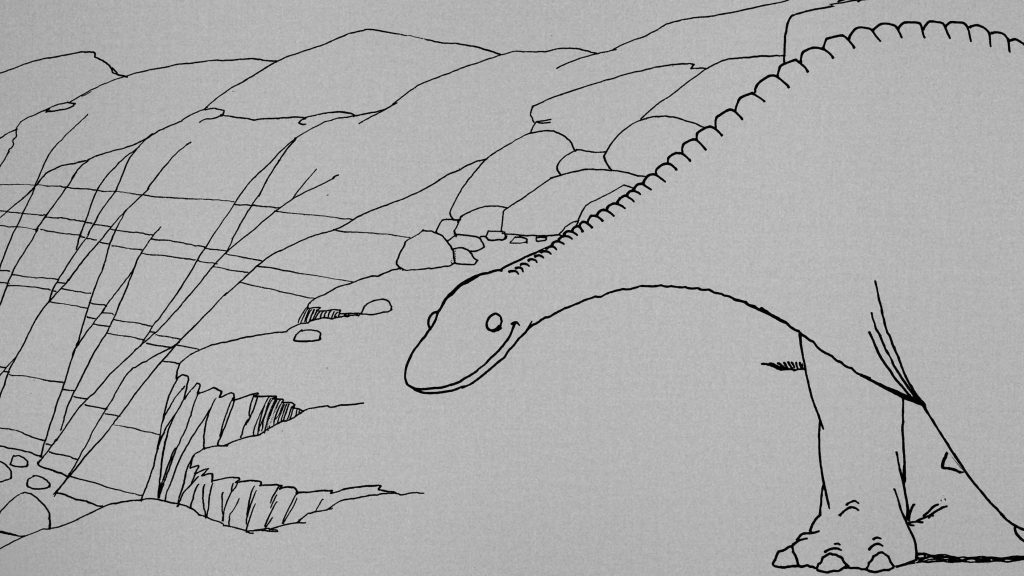
Gertie the Dinosaur
Winsor McCay is the person credited with the first actual Character Animation. His film, “Gertie the Dinosaur”, released in 1914, set the stage for a new specialized form of animation. As a result of this film, the role of the animator changed drastically. It now included acting as well as drawing.
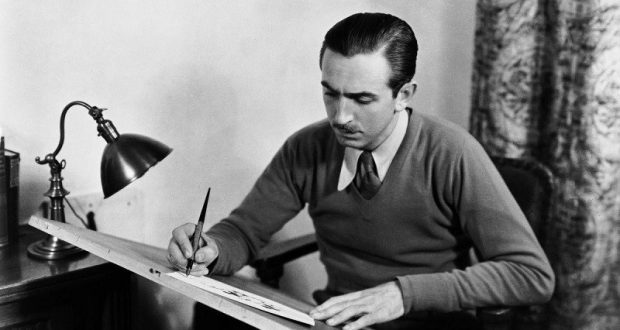
It was Walt Disney who elevated animation to an art form. His techniques were more about creating characters with perceptible thought and emotion in addition to the action. Disney’s academy award winning productions, both short and long, did a wonderful job of winning the world over in the post-depression years of the early 1930’s. Among other things, he was the first to introduce sound into cartoons in 1928, (Steamboat Willie), and the first to add color in 1932, (Silly Symphonies). He was also the first to set up a school specifically for animators. Among many other things, artists were taught to focus on the intricacies of human movement, and the effects of gravity. One of the many reasons that Disney’s animations would stand out from the rest!
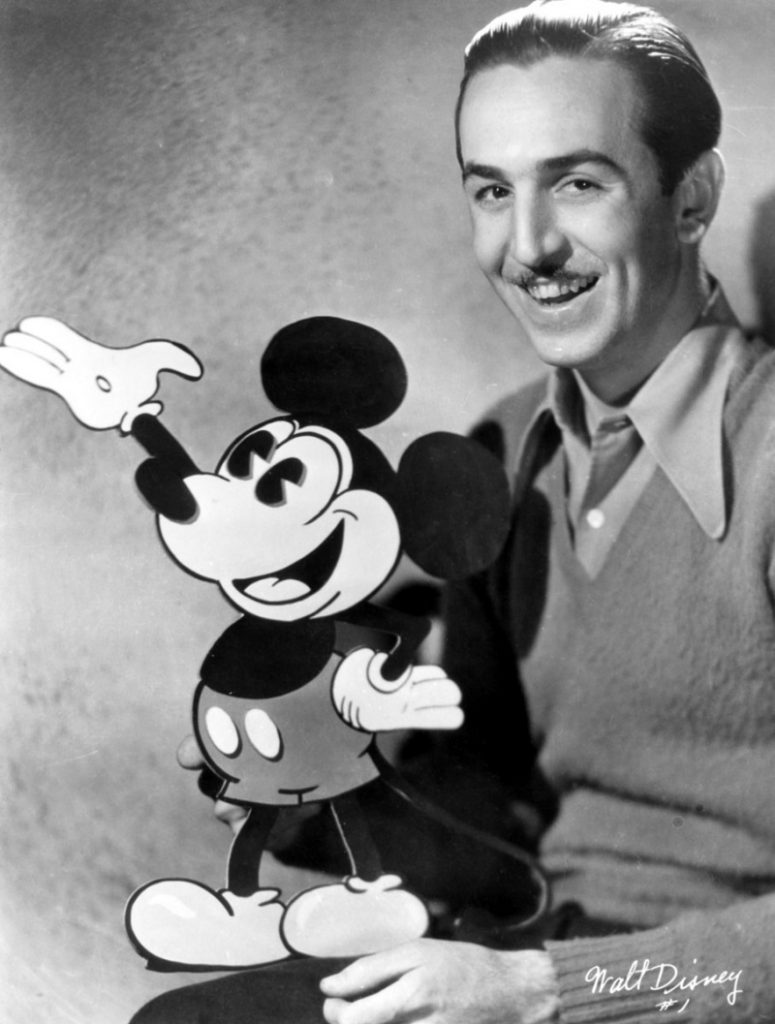
Disney and Mickey
During Walt Disney’s life time, he and his studio won twenty-two academy awards; more than anyone else in history. He would often say, “If you can dream it, you can do it.”
Here are some great commercial free videos to do with the history of animation:
Pixar: https://www.youtube.com/watch?v=5khDGKGv088
James Stuart Blackton’s “The Enchanted Drawing”: https://www.youtube.com/watch?v=pe7HSnZotbU
Winsor McCay’s, “Gertie the Dinosaur”:
https://www.youtube.com/watch?v=-_c15oS5i5I
Walt Disney’s, Steamboat Willie:
https://www.youtube.com/watch?v=BBgghnQF6E4i
Sal Maccarone