
Focus On Vibrant Health – What is Traditional Osteopathy?
 NORTH FORK, CA – Osteopathic medicine is the medical profession and philosophy associated with Doctors of Osteopathic Medicine (DOs). It was founded by Andrew Taylor Still, MD in the 1870’s. The medical practices of that time were frequently ineffective and sometimes harmful. He set out to find more effective ways to help people regain health, and ultimately developed osteopathy. He deeply studied the medical texts, cadavers, and the animals he hunted. He taught himself to feel deviations from normal in a person’s living anatomy and physiology. He used manual techniques to restore normal structure and function, helping people regain health from all types of medical ailments, totally without the use of drugs. The MD medical schools did not want to include his ideas, so he opened the first Osteopathic medical school in 1892.
Allopathic medicine is a traditional label for the conventional medical education and practice associated with Doctors of Medicine (MDs) in the US. Also described as conventional Western medicine. Since the early 1900’s the MD profession, with the help of the American Medical Association (AMA), has increasingly determined what kind health care is available. This becomes very obvious when you are dissatisfied and start looking for another approach to get help, and you find out it is not covered by your expensive health insurance.
In the United States, both DOs and MDs are trained in all aspects of modern medicine including prescription drugs, surgery, and the use of technology to diagnose disease and evaluate injury. Both can practice in any medical specialty. Currently about 11% of physicians in the US have a DO degree. Your doctor may be an osteopath with a DO degree and you don’t even know it.
How is Osteopathic Medicine Different?
Osteopathic medical schools in the United States have more training hours in the first two years than MD students. Students study the osteopathic principles and philosophy and get more training in anatomy and neuroanatomy.
Four tenets of the osteopathic philosophy
- The unity of body, mind, and spirit
- The body’s capacity for self-regulation and self-healing
- The relationship between structure and function
- Treatment informed by those interconnected principles
Osteopathic students also learn how to use their hands to help diagnose, treat and prevent illness and injury. Osteopathic Manipulative Treatment (OMT) techniques are taught, including myofascial release, high-velocity, low-amplitude thrusts, muscle energy, soft tissue, articulatory, lymphatic, counterstrain, facilitated positional release, balanced ligamentous tension, functional, Chapman’s reflexes, visceral (introductory), and cranial osteopathy (introductory).
Advanced postgraduate courses are available, and are very important to continue to develop these skills and be able to help more people.
Manual Medicine
Manual medicine has likely been used since the dawn of humanity. Today there are many kinds of practitioners who use their hands to help people. Examples of those with professional degrees include osteopaths, chiropractors and physical therapists. Others, with various levels of training, include athletic trainers, acupressure, Rolfing, Bowen therapy, Feldenkrais, Trager, massage, craniosacral, Shiatsu, and more.
The founder of the chiropractic profession is Daniel David Palmer, and he wrote the first descriptions of this philosophy in 1896. He had been an osteopathic student, and whether he borrowed from osteopathy is disputed. His focus was on the spine and nervous system. Today chiropractors are licensed to diagnose and treat certain conditions affecting the musculoskeletal system, and cannot prescribe or perform surgery. Within the profession there is a variety of kinds of practice, but chiropractors are best know for the high-velocity, low-amplitude thrust technique.
Physical therapists (PTs) are licensed, and their work centers on restoring movement and function through exercise, manual therapy, and other modalities. They cannot diagnose medical conditions, and people are usually referred to them by DOs or MDs. Some of the manual techniques used by PTs come from osteopathy.
Craniosacral therapy (CST) was developed by an osteopath John Upledger in 1985, and courses can be taken by anyone. A person can claim that they use this technique after as little as a weekend course. It is not at all the same as cranial osteopathy.
Before the 1960’s osteopathic manipulation was central to the profession, and it was considered malpractice if an osteopath did not use OMT on a patient that it was indicated for. Since that time the rise in health insurance and corporate control of medicine have increasingly made it unprofitable to include OMT in patient care. Today only about 5% of osteopaths continue to use OMT to treat their patients once they are in practice. Unfortunately that means that 95% of DOs are actually practicing allopathic medicine most of the time.
 Traditional Osteopathy
 Traditional Osteopathy
 is how all osteopaths once practiced. They used their hands to diagnose, treat, and prevent illness or injury in addition to any other medical tools available. A highly trained osteopath can feel deviations from normal in the living anatomy and physiology. That includes all of the body systems, such as the muscular, skeletal, lymphatic, nervous, respiratory, cardiovascular, digestive, urinary, and reproductive systems. Osteopathic Manipulative Treatment (OMT) may help all medical conditions – not only musculoskeletal complaints – including newborn babies with colic or difficulty nursing, children with ear infections or behavioral issues, asthma, pneumonia, sinus disorders, TMJ syndrome, carpal tunnel syndrome, migraines, menstrual pain, fibromyalgia, slow return of bowel function after abdominal surgery, neurological problems, and much more.
The skills an osteopath has with their hands can complement, and sometimes even replace, drugs and surgery. An osteopathic treatment allows the structure and function of the systems in the body to normalize. This very importantly includes a balancing of the sympathetic (fight or flight) and parasympathetic (rest and digest) nervous systems. In this state the body’s capacity for self-regulation and self-healing is engaged. Your inner health is very, very intelligent.
Why Choose a Traditional Osteopath?
Osteopaths are fully trained and licensed physicians and are able to determine the likely cause(s) of your complaint, understand any labs or imaging that needs to be done or has already been done, and give advice about any medications that may be recommended for your situation. This is a perspective no other manual medicine practitioner has. Today medicine has become very specialized, and an osteopath who has advanced skills in OMT is definitely a specialist.
Also, many people prefer to try less invasive treatment first, before drugs or surgery. A traditional osteopath will know when more aggressive treatment is indicated. Osteopathic techniques have been used since the beginning of the profession to treat all medical issues, not only musculoskeletal complaints. When the body is functioning properly, it is amazing how quickly it can heal. This self-healing capacity is actually what we depend on in every situation. Why not try hands-on treatment first? Or in addition to the allopathic approach.
Osteopathic training emphasizes a whole-person approach (the unity of body, mind, and spirit). During an appointment with a traditional osteopath, there is time for longer conversations to more fully understand your unique situation. Lifestyle, stress, family dynamics, and more will be considered. This approach is in sharp contrast to the typical short allopathic type visit where you are simply prescribed a drug to suppress your symptoms.
Many osteopathic techniques are very gentle, and often these are the most effective at resolving your complaint. The goal of a traditional osteopath is to address the cause(s) of your problem, and help you return to vibrant health. Not to simply give short-term relief such as provided by most other types of hands-on treatment. How long will your return to health take? It depends on the severity of your situation, how long it has been going on, and your overall state of health. Sometimes one treatment is all it takes. Other times, you will gradually feel better and know you are headed in the right direction.
Read additional articles here: Focus On Vibrant Health.
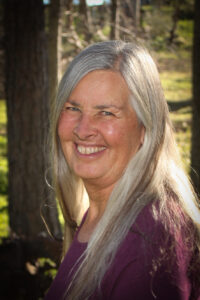
Dr. Veronica Tilden can be your ally in having vibrant health. She is a traditional osteopath, using hands-on osteopathic treatment and a whole-person approach to guide you in making good choices in your life. She brings her 30 years of experience to her hometown at her office in North Fork. You can find out more and schedule an appointment at DrVeronicaTilden.com.