

Focus On Vibrant Health – Health Effects of Microplastics

NORTH FORK, CA – Synthetic plastic was first created in the late 1800’s, and is everywhere today. It is inexpensive and easy to manufacture, and easy to mold into almost any shape. Plastics is a $675 billion global industry, producing 430 million tonnes in 2024. More than one third is used for packaging, which is used only once before being thrown away. Only 9% of plastic is recycled; the rest ends up in our landfills and oceans, or dispersed into our environment.
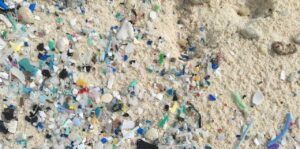
Plastics have also become a huge source of pollution. They do not readily biodegrade, but break up into smaller and smaller pieces. This creates microplastics (<5mm, about the size of a human hair) and nanoplastics (1,000 times smaller at 100 nanometers), and both are toxic. These plastic particles are literally everywhere.
Where Are These Microplastics Found?
Microplastics and nanoplastics are in the air we breath, the food we eat, and the water we drink. They are in the ocean, rivers, lakes, and remote mountain tops. They are in rain, snow, and fog. They enter our bodies through ingestion, inhalation, and even absorption through the skin. Microplastics are found in seafood, salt, beer, chewing gum, and tea.
Plastic particles are found in human tissues – the heart, bloodstream, lungs, liver, testes, gastrointestinal tract, placenta, semen, brain, breast milk, and feces. Even in a baby’s first stool. Particularly worrisome is that the smallest particles can end up inside individual cells, and are thought to have serious health impacts.
The main source of plastic particles is from synthetic microfibers – polyester, acrylic and nylon. 60 percent of the material in clothing these days are such synthetic fibers. These particles are capable of traveling in the wind hundreds or even thousands of miles. It is estimated that 35% of microplastic pollution comes from washing synthetic fabrics. Particles also come from the breakdown of plastic debris, industrial processes, microbeads (used in personal care products), nurdles (small plastic pellets), and styrofoam. They are present in wastewater, and in sewage sludge used as fertilizer for crops.
The Health Effects of Microplastics
Microplastics can cause harm to humans through both physical and chemical paths. Research is still in its infancy. They have been shown to accumulate in organs and lead to biological changes, including oxidative stress, cell and DNA damage, and inflammation. They are believed to harm reproduction, digestion, respiratory health, and likely increase the risk of lung and colon cancer. Research also suggests links to metabolic disorders and a weakened immune system. They can disrupt the gut microbiome, impair nutrient absorption, cause physical irritation to the gastrointestinal tract, and affect cardiovascular health. They may even cause brain damage.
 The 20,000 chemicals found in plastics are known to be harmful to health. Additionally, the plastic particles can absorb and carry other toxins into the body. The chemicals include per- and polyfluoroalkyl substances (or PFAS chemicals), bisphenol A (BPA), phthalates, polycyclic aromatic hydrocarbons, and heavy metals. These chemicals cause endocrine disruption, interfering with hormonal functions, leading to metabolic disorders, reproductive health problems, development malformations, immune and nervous system problems, heart disease, and cancer. The livers of people with cirrhosis have more micro and nanoplastics. Patients who had more plastics in their carotid artery plaque were at higher risk of heart attack, stroke, or death from any cause. The placentas of babies who were delivered preterm had more microplastics than full-term babies. Researchers found 3-5 times more nanoplastics in the brains of people with dementia.
It is important to note that correlation does not necessarily equal causation, and other variables could be important. But the data is alarming enough to warrant taking action to reduce your exposure.
What Can You Do?
First, given how common microplastics and nanoplastics are in our food, water, and air, it’s not possible to avoid them entirely. Do your best to eliminate unnecessary exposures.
- Do not drink from plastic water bottles, and even filter your tap water
- Buy in bulk to reduce packaging waste
- Avoid heating food or water in plastic
- Use glass or unlined steel containers for water or food storage
- Stop buying plastic “stuff”
- Especially avoid using plastic items for your children, such as bottles, teethers, pacifiers, sippy cups, toys, and utensils
- Switch to wood cutting boards
- Purchase clothing and bedding made from natural materials like organic cotton, wool, linen, and hemp
- Buy used clothing of natural materials
- If you already own synthetic clothing or bedding, wash them less often and for a shorter period of time
- Put synthetic clothing into a filter bag before washing to decrease the amount of microfibers that go down your drain
- Use loose leaf tea, or paper tea bags, not plastic tea bags
- Regularly vacuum and damp mop
- Consider an air purifier with a HEPA filter
- Avoid carpets; have wood floors instead
- Avoid microbeads in cosmetics
- Avoid chewing gum, even so-called natural products
Leverage your economic power as a consumer. While individual efforts to reduce your exposure are worth doing, ultimately we need to collectively advocate for systemic changes to the way we manufacture and dispose of plastic, and for the use of safer chemicals in plastics (if this is even possible!). Perhaps we can find a completely different alternative for the products that now depend on plastic. Consider the example of lead in paint and gasoline. This is important, not just for us, but for future generations.
Read additional articles here: Focus On Vibrant Health.
Dr. Veronica Tilden can be your ally in having vibrant health. She uses traditional hands-on osteopathy and helps you take responsibility for your health, guiding you to make better choices in your life. She brings her 30 years of experience to her hometown at her office in North Fork. You can find out more and schedule an appointment at DrVeronicaTilden.com.