Discovering Local: Sierra Mono Museum
You know the name. Now discover something more.
Sometimes discovering something local means taking a closer look at the place we call home—and the people whose connection to it stretches back long before the roads and businesses we recognize today.
In North Fork, the Sierra Mono Museum and Cultural Center offers that opportunity.
You may know the building at the intersection of roads 225 and 228. You may have passed it while heading through town. But inside is a chance to learn about the mountain area through the history, knowledge and traditions of the North Fork Mono people.
And there’s more to discover than you might expect.
A Community’s Story, Preserved by Its People
The museum’s beginnings go back to 1966, when North Fork Mono families incorporated an organization to preserve their tribal history. The museum opened its doors to the public in 1971, creating a place to care for cultural belongings and share their significance with future generations and visitors. Museum history
That purpose gives the museum a personal connection to the community around it.
Its exhibits explore traditional Mono life through fishing, hunting, acorn gathering, cooking, healing, basket making, games and ceremonies. These are ways of understanding the landscape through the everyday skills and knowledge of the people who have lived here for generations. North Fork Rancheria
For those of us who enjoy spending time outdoors, that perspective offers another reason to pay attention to the plants, waterways and surroundings we might otherwise pass without much thought.
The museum’s own website offers one small example: soaproot, a plant with multiple traditional uses, including making brushes. It describes that knowledge as something still used today. Sierra Mono Museum
But Maybe You Didn’t Know…
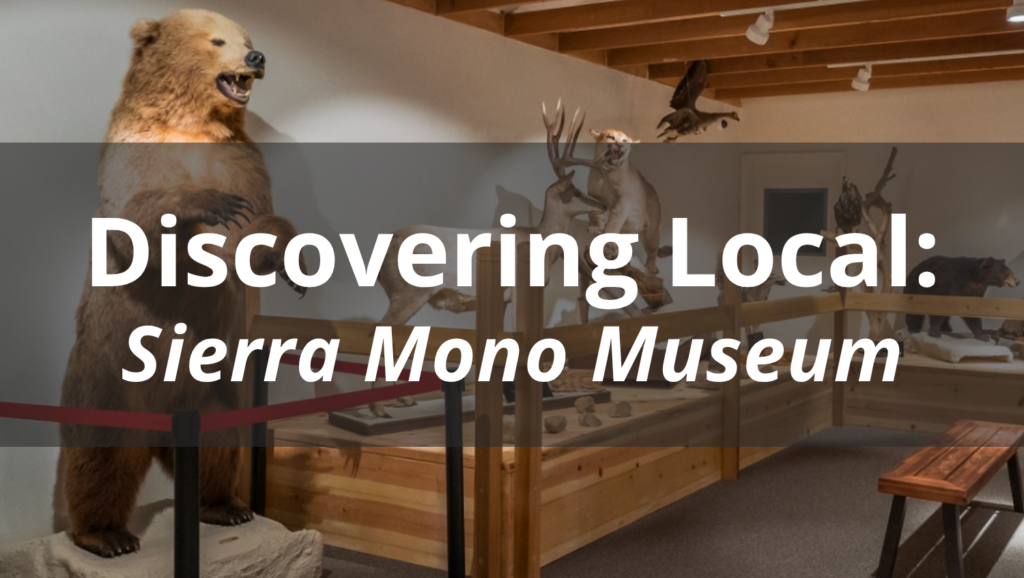
Alongside its Native American baskets, cultural artifacts and beadwork, the museum also houses a substantial wildlife collection.
The Tettleton Wildlife Diorama Collection includes more than 100 freestanding taxidermy animals from North America and Asia, adding a natural-history dimension that visitors may not expect to find in this North Fork museum. Historical photographs and other cultural items broaden the collections further. Collection background
There’s another detail worth knowing before you visit.
According to the North Fork Rancheria, traditional North Fork Mono society consists of two clans represented by the golden eagle and the coyote. Those animals stand guard at the museum over displays of traditional Mono life—a meaningful connection between the wildlife visitors see and the culture they’re learning about. North Fork Rancheria
A Local Discovery Worth Making
A visit also offers an opportunity to browse Bredon’s Gift Gallery, where the museum lists beadwork, fringe earrings, children’s books and museum apparel among its offerings. Purchases support the museum’s work. Gift gallery information
But the larger reason to stop is the opportunity to understand our home a little better.
We often introduce this area through its mountain views, recreation and proximity to Yosemite. The Sierra Mono Museum invites us to spend some time with another part of its identity: the people, traditions and knowledge that remain part of this community.
That makes it a fitting Discovering Local destination.
Sometimes the most interesting discovery is realizing how much there is to learn close to home.
The Sierra Mono Museum and Cultural Center is located at 33103 Road 228 in North Fork. Hours vary, so call 559-877-2115 before making the trip. Learn more at monomuseum.org.