
Could Your Home Kitchen Become a Small Business?
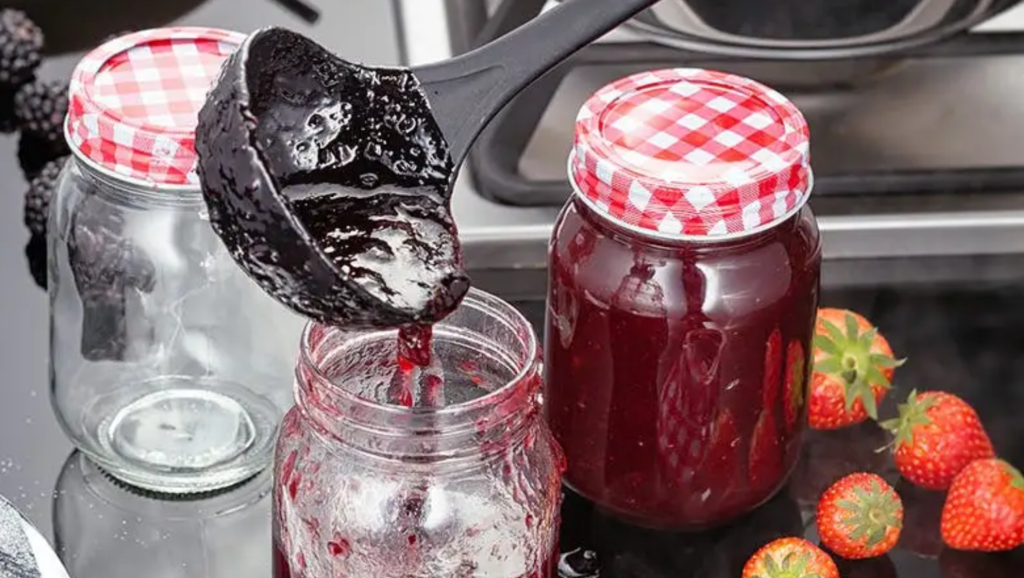
Maybe it’s the bread friends ask you to bring to every gathering. A cookie recipe that always earns compliments. Or a homemade jam you’ve wondered about selling.
But how do you move from “you should sell these” to actually starting a food business?
A free workshop in Oakhurst will explore that question Friday, Sept. 18, helping residents understand what it takes to turn certain foods made in their home kitchens into products they can legally sell.
Cottage Food 101: Turning Your Home Kitchen into a Food Business takes place from 2–4 p.m. at Sierra Senior Center, 49111 Cinder Lane. Registration is required.
Presented by UC Agriculture and Natural Resources and F3 Local, the workshop will cover approved foods, permits, packaging, labeling and the steps involved in getting started. Participants will also hear from local cottage-food business owners about their experiences and lessons learned.
What Is a Cottage-Food Business?
California’s cottage-food program allows people to prepare certain approved foods in their home kitchens and sell them to the public.
For someone interested in starting small, that offers a way to explore a food business using a home kitchen, subject to registration or permitting and other requirements.
The program applies to specific foods on the California Department of Public Health’s approved list. Examples include qualifying breads and other baked goods, granola, dry mixes, and certain jams and jellies.
The details matter. A product must meet the requirements for its category; a homemade recipe does not automatically qualify.
Checking whether a product is allowed is one of the first steps toward determining whether a cottage-food business is the right fit.
How You Sell Determines What You Need
Madera County identifies two categories of cottage-food operations.
Class A operations register with the county and sell approved products directly to customers.
Class B operations obtain a county permit and may sell both directly to customers and indirectly through retailers, such as stores or restaurants.
That distinction gives prospective owners something to consider early: Do they want to sell directly to people who order their products, or would they also like to see those products offered by another business?
The county lists annual registration or permitting, proper packaging and labeling, and a food-handler card among its requirements.
A good recipe is the beginning. Preparing a product for sale also means understanding the responsibilities that come with running a food business.
Learning From People Already Doing It
The workshop will include examples of compliant products, packaging and required label layouts, giving participants a chance to see what those requirements look like in practice.
Organizers also plan to provide resources outlining the steps involved in starting a business.
A panel of local cottage-food owners will share their experiences, best practices and lessons learned—an opportunity for newcomers to hear from people who have already worked through the process.
For residents of our mountain communities, the subject may be closer to home than they realize. Someone who enjoys baking or making an approved specialty food may already have the beginnings of an idea.
The next question is whether that idea fits the rules, the work involved and the kind of business they want to build.
The Sept. 18 workshop offers a place to begin finding those answers.
How to Attend
What: Cottage Food 101: Turning Your Home Kitchen into a Food Business
When: Friday, Sept. 18, 2026, from 2–4 p.m.
Where: Sierra Senior Center, 49111 Cinder Lane, Oakhurst
Cost: Free; registration required
Register through the online registration form, email graceaces@sti.net or call 559-365-6342.
Information about local registration and permitting is available through Madera County’s Food Program. The state’s approved cottage-food list explains which products qualify.