
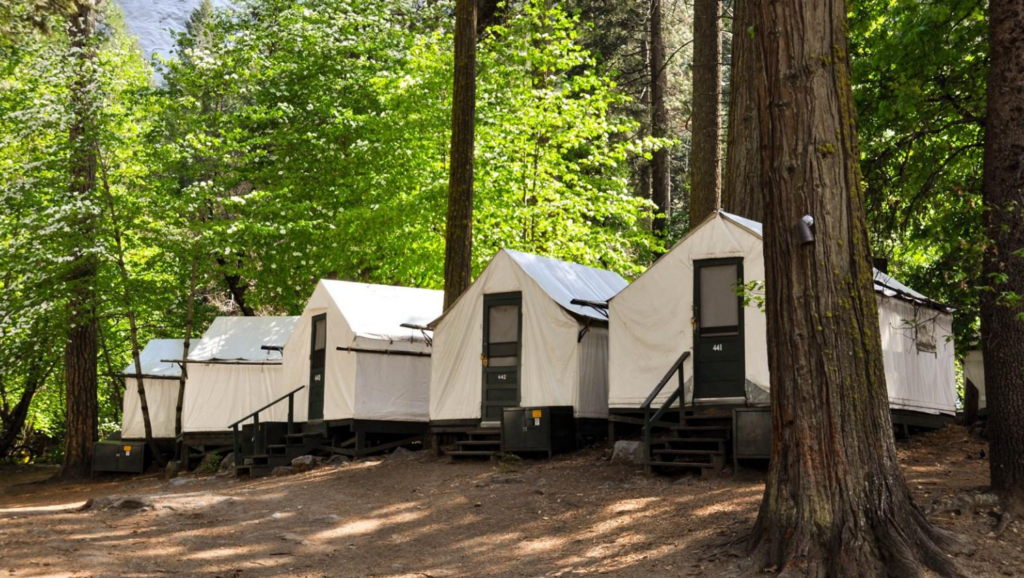
Bat Found at Yosemite’s Curry Village Tests Positive for Rabies
Yosemite National Park officials are asking anyone who may have had direct contact with a bat in the Curry Village area in May to contact a healthcare provider after a dead bat found near the popular Yosemite Valley destination tested positive for rabies.
The big brown bat was found outside the Curry Village Showerhouse on May 18, according to a Yosemite National Park news release issued Wednesday, Sept. 2.
Park officials said there have been no known reports of human contact with the bat.
However, anyone who may have had direct contact with a bat in the Curry Village area on or around May 18 is being advised to contact the California Department of Public Health and a healthcare provider promptly to determine whether treatment is needed.
Rabies is a viral disease that affects the central nervous system and is almost always fatal once symptoms develop. However, the disease is preventable when appropriate medical treatment is provided following a potential exposure and before symptoms begin.
Bat Contact Can Be Easy to Miss
According to Yosemite officials, people can be exposed to rabies through the bite or scratch of an infected animal.
Because bat teeth are small, bites or scratches may not always be visible or painful.
The park said direct contact can also include a bat landing on top of someone’s clothing or a bat’s wing brushing against a person’s skin or hair.
Anyone who has direct contact with a bat — alive or dead — should discuss the incident with a healthcare provider.
The California Department of Public Health notes that bats and skunks are the animals most frequently found with rabies in California. The agency advises anyone bitten by a wild animal to immediately wash the affected area with soap and running water and seek medical care.
Yosemite Monitoring Bat Populations
Yosemite officials are working with the California Department of Public Health along with the National Park Service Office of Health and Safety and Wildlife Health Branch following the positive test.
The last rabies-positive bat discovered in Yosemite was in July 2025, according to the park.
Yosemite is home to 17 species of bats, which play an important role in the park’s ecosystem. As part of routine park operations, deceased bats with no known human contact are collected and later tested to monitor diseases that naturally circulate among wildlife populations.
Park officials said only a very small percentage of bats tested from Yosemite are found to be positive for rabies each year.
Visitors should never touch or attempt to handle bats or other wildlife. Anyone who encounters a bat, whether alive or dead, should keep their distance and notify park staff.
The park’s warning is specifically directed at anyone who believes they may have had direct contact with a bat around Curry Village on or near May 18.
Those individuals are encouraged to contact a healthcare provider promptly to determine whether further medical evaluation or treatment is appropriate.