
A Winter Mystery Is Changing Efforts to Save Yosemite Toads
A discovery beneath the Sierra’s winter snow is helping scientists rethink how to protect one of Yosemite’s smallest native residents.
Researchers found that young Yosemite toads emerged from winter dormancy carrying heavy fungal infections—pointing to an unexpected period of vulnerability while the animals were sheltering underground.
The findings are already influencing efforts to return captive-reared toads to the wild, according to an October 1 announcement from UCLA.
A Small Neighbor in the High Country
Yosemite toads live only in the Sierra Nevada, and Yosemite National Park encompasses more than one-third of their range. They depend on spring snowmelt for breeding and can be found at elevations reaching 12,000 feet within the park. National Park Service
Despite their name, their habitat extends beyond Yosemite. Federally designated critical habitat includes portions of Madera and Mariposa counties, along with five other Sierra counties.
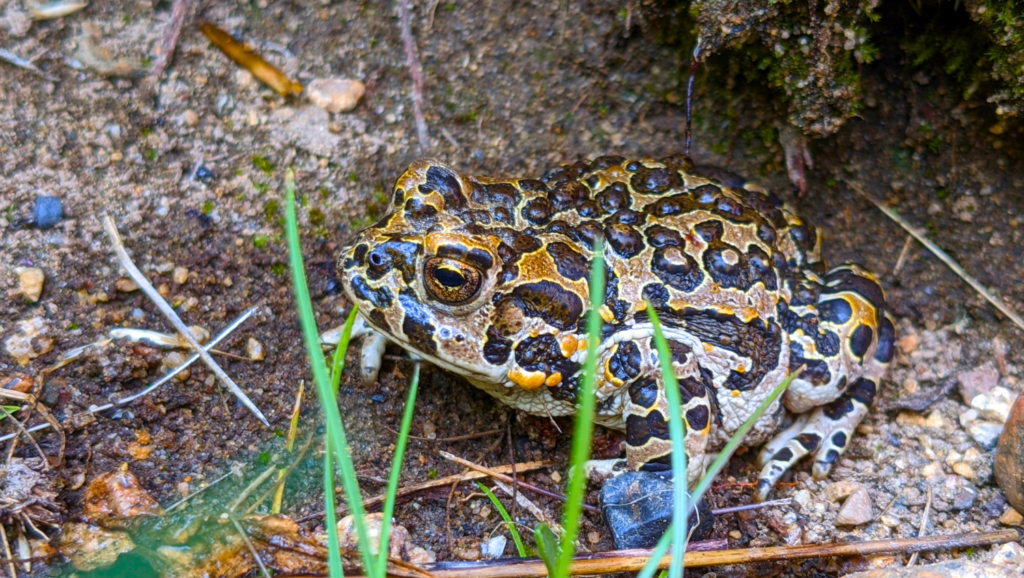
These stocky, bumpy-skinned amphibians typically walk rather than hop. They breed in shallow pools but spend much of their time on land, using underground burrows for shelter. Their journeys between breeding areas and burrows can cover as much as a mile.
The species received federal threatened status in 2014. The U.S. Fish and Wildlife Service estimates that it remains at only about half of its historically occupied sites. U.S. Fish and Wildlife Service
An Unexpected Winter Risk
From 2021 through 2023, UCLA and Yosemite researchers collected approximately 1,800 skin samples across six sites, examining infection patterns through different seasons and stages of development.
They tracked a fungus known as Batrachochytrium dendrobatidis, or Bd, which affects amphibians worldwide. Because Bd is largely associated with water, the pronounced increase in infections during underground winter dormancy was unexpected.
Young toads that had recently completed metamorphosis were particularly vulnerable.
The study does not establish whether toads caught new infections inside burrows or entered winter with infections too slight to detect that subsequently intensified. That distinction remains unresolved. UCLA research announcement
Giving Toads More Time to Grow
The findings have informed Yosemite’s reintroduction strategy. Rather than releasing very young animals, managers now allow captive-reared toads several years to grow before returning them to the wild, when their risk from overwinter infection is lower. UCLA
Disease is only part of the challenge. The National Park Service identifies drought, reduced snowpack and hotter, drier summers among the pressures facing the species. When breeding pools dry too quickly, tadpoles may not survive long enough to develop into toads.
Yosemite has monitored its toad populations since 2009, using that information to guide conservation decisions. National Park Service
Small Steps Visitors Can Take
Visitors can help by watching where they step, leaving toads undisturbed and respecting closures around sensitive habitat. The Park Service notes that toads sometimes occupy trails and advises against touching them, since substances on human skin can harm amphibians.
For people exploring Yosemite’s high country, protecting wildlife can begin with noticing what is underfoot. These small residents belong to the same mountain landscape that draws visitors to its meadows, lakes and granite summits. Learn more about Yosemite toads.
———-
Feature Photo: A female Yosemite toad rests at the entrance to a burrow. Researchers are studying how fungal infections intensify during winter dormancy.
Photo credit: NPS / Spencer Williams.